Advertisement
The potential Tesla-Intel chip partnership could deliver AI chips at just 10% of Nvidia’s cost – a claim that represents a significant development in AI infrastructure that enterprise technology leaders cannot afford to ignore.
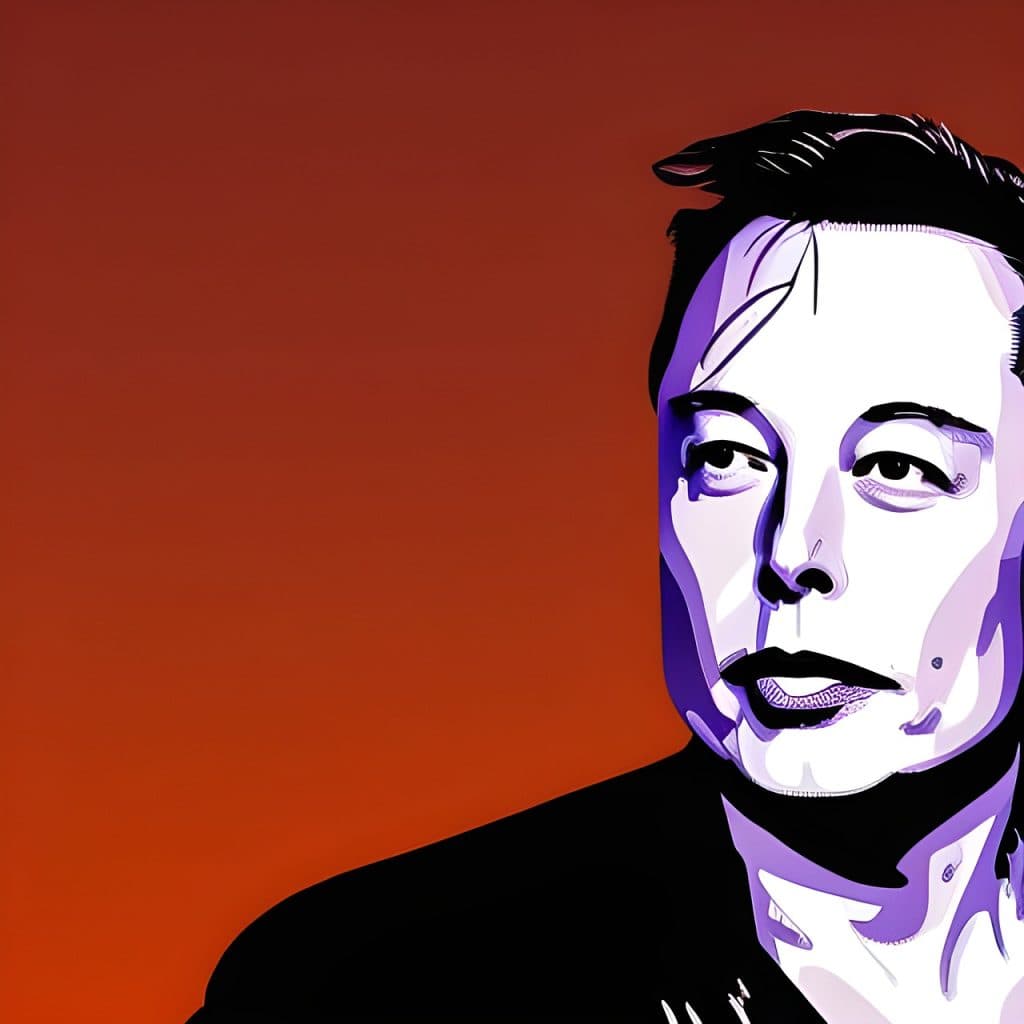
On November 6, 2025, Tesla CEO Elon Musk stated publicly at the company’s annual shareholder meeting that the electric vehicle manufacturer is considering working with Intel to produce its fifth-generation AI chips, signalling a major strategic shift in how AI computing hardware might be manufactured and distributed.
“You know, maybe we’ll, we’ll do something with Intel,” Musk told shareholders, according to a Reuters report. “We haven’t signed any deal, but it’s probably worth having discussions with Intel.” The statement sent Intel shares up 4% in after-hours trading, underscoring how seriously the market views the potential collaboration.
Tesla’s consideration of Intel as a manufacturing partner comes at an important juncture for both companies. Tesla is designing its AI5 chip to power its autonomous driving systems.
Currently on its fourth-generation chip, Tesla has identified a significant supply constraint that traditional partnerships with Taiwan’s TSMC and South Korea’s Samsung cannot address fully.
“Even when we extrapolate the best-case scenario for chip production from our suppliers, it’s still not enough,” Musk said during the shareholder meeting. The supply gap has led Tesla to consider building what Musk calls a “terafab” – a massive chip fabrication facility capable of producing at least 100,000 wafer starts per month.
For Intel, the potential partnership offers an important opportunity. The US chipmaker has lagged significantly behind Nvidia in the AI chip race and desperately needs external customers for its newest manufacturing technology.
The US government recently took a 10% stake in Intel, underscoring the strategic importance of maintaining domestic chip manufacturing capabilities.
At 10% of Nvidia’s manufacturing cost, the technical specifications Musk outlined during the shareholder meeting could reshape enterprise AI economics. According to Musk, Tesla’s AI5 chip would consume approximately one-third of the power used by Nvidia’s flagship Blackwell chip, and cost just 10% as much to manufacture.
“I’m super hardcore on chips right now, as you may be able to tell,” Musk said. “I have chips on the brain.”
The cost and efficiency projections, if realised, could alter the economics of AI deployment. Enterprise leaders investing heavily in AI infrastructure should monitor whether these performance targets materialise, as they could influence future technology purchasing decisions in the industry.
The chip would be inexpensive, power-efficient, and optimised for Tesla’s own software, Musk said.
Tesla’s chip production roadmap provides a timeline for enterprise planning. A small number of AI5 units would be produced in 2026, with high-volume production possible in 2027. Musk indicated in a post on social media that AI6 will use the same fabrication facilities but achieve roughly twice the performance, with volume production targeted for mid-2028.
The scale of Tesla’s ambitions is substantial. The proposed “terafab” would represent an expansion of domestic chip manufacturing capacity, potentially reducing supply chain vulnerabilities that have plagued the technology industry in recent years.
“So I think we may have to do a Tesla terafab. It’s like a giga but way bigger. I can’t see any other way to get to the volume of chips that we’re looking for. So I think we’re probably going to have to build a gigantic chip fab. It’s got to be done,” Musk said.
Several strategic considerations emerge from any potential Tesla-Intel chip partnership:
Supply chain resilience: The move toward domestic chip manufacturing addresses concerns about supply chain concentration in Asia. Enterprise leaders managing technology risk should consider how shifts in chip manufacturing geography might affect their supply chains and vendor relationships.
Cost structure changes: If Tesla achieves its stated cost targets, the competitive landscape for AI chips could shift. Organisations should prepare contingency plans for potential price pressure on current suppliers and evaluate whether alternative chip architectures are viable.
Technology sovereignty: The US government’s stake in Intel and support for domestic chip manufacturing reflect broader geopolitical considerations. Enterprise leaders in regulated industries or those handling sensitive data should assess how the trends might affect their technology sources.
Innovation pace: Tesla’s aggressive timeline for multiple chip generations suggests an accelerating pace of AI hardware innovation. Technology leaders should factor this into refresh cycles and architecture decisions, avoiding premature commitment to current-generation technology.
Musk’s statements occur against the backdrop of US-China technology competition. Export restrictions have impacted Nvidia’s business in China, where its market share has reportedly dropped from 95% to near zero.
Intel declined to comment on Musk’s remarks, and no formal agreement has been announced. However, the public nature of the statements and the market’s reaction, suggest substantive discussions may soon be underway.
The AI chip landscape is entering a period of flux. Organisations should maintain flexibility in their infrastructure strategy and monitor how partnerships like Tesla-Intel might reshape the competitive dynamics of AI hardware manufacturing.
The decisions made today about chip manufacturing partnerships could determine which organisations have access to cost-effective, high-performance AI infrastructure in the coming years.

Want to learn more about AI and big data from industry leaders? Check out AI & Big Data Expo taking place in Amsterdam, California, and London. This comprehensive event is part of TechEx and co-located with other leading technology events. Click here for more information.
AI News is powered by TechForge Media. Explore other upcoming enterprise technology events and webinars here.

Google has rolled out Private AI Compute, a new cloud-based processing system designed to bring the privacy of on-device AI to the cloud. The platform aims to give users faster, more capable AI experiences without compromising data security. It combines Google’s most advanced Gemini models with strict privacy safeguards, reflecting the company’s ongoing effort to make AI both powerful and responsible.
Advertisement

If you’ve ever thought companies talk more than act when it comes to their AI strategy, a new Cisco report backs you up. It turns out that just 13 percent globally are actually prepared for the AI revolution.

For all the progress in artificial intelligence, most video security systems still fail at recognising context in real-world conditions. The majority of cameras can capture real-time footage, but struggle to interpret it. This is a problem turning into a growing concern for smart city designers, manufacturers and schools, each of which may depend on AI to keep people and property safe.

Adopting AI at scale can be difficult. Enterprises around the world are discovering the pace of AI deployment is frustratingly slow as they face implementation, integration, and customisation challenges. Generative AI is undoubtedly powerful, but it can be complex, particularly for businesses starting from scratch.

The AI adoption in China has reached unprecedented levels, with the country’s generative artificial intelligence user base doubling to 515 million in just six months, according to a report released by the China Internet Network Information Centre (CNNIC).
The content available on this website (including text, graphics, images, and information) is intended for general informational purposes only. Materials, details, terms of use, and descriptions presented on these pages may be changed without prior notice.

 Popular News