
Advertisement

Finding the right video editor often feels overwhelming. Between expensive software and clunky interfaces, editing your content might feel more like a chore than an exciting creative process. Enter CapCut, the free video editing app that's changing the game. Promising an intuitive interface and powerful features, CapCut aims to democratize video creation for beginners and pros alike.

 Popular News
The next frontier for edge AI medical devices isn’t wearables or bedside monitors—it’s inside the human body itself. Cochlear’s newly launched Nucleus Nexa System represents the first cochlear implant capable of running machine learning algorithms while managing extreme power constraints, storing personalised data on-device, and receiving over-the-air firmware updates to improve its AI models over time.

The roar of 80,000 fans at Shanghai Stadium on September 21, 2025, wasn’t just about the football match between Shanghai Shenhua and Chengdu Rongcheng – it was also a live demonstration of how telecom carriers are tackling one of their most pressing challenges: converting advanced network capabilities into revenue.

By 2027, half of all business decisions will be augmented or automated by AI agents for decision intelligence. This seismic shift is changing how organisations operate, and AI leaders are under pressure to adapt, innovate, and guide their teams through complexity. Gartner Data & Analytics Summit 2026 is designed to help these leaders meet their biggest challenges head-on.

Microsoft believes it has a fix for AI prompts being given, the response missing the mark, and the cycle repeating.
Advertisement

Telegram’s Cocoon AI network is getting ready for prime time with a massive deployment of graphics processing units courtesy of one of the Ton blockchain ecosystem’s leading investors, AlphaTON Capital.

Telegram’s Cocoon AI network is getting ready for prime time with a massive deployment of graphics processing units courtesy of one of the Ton blockchain ecosystem’s leading investors, AlphaTON Capital.
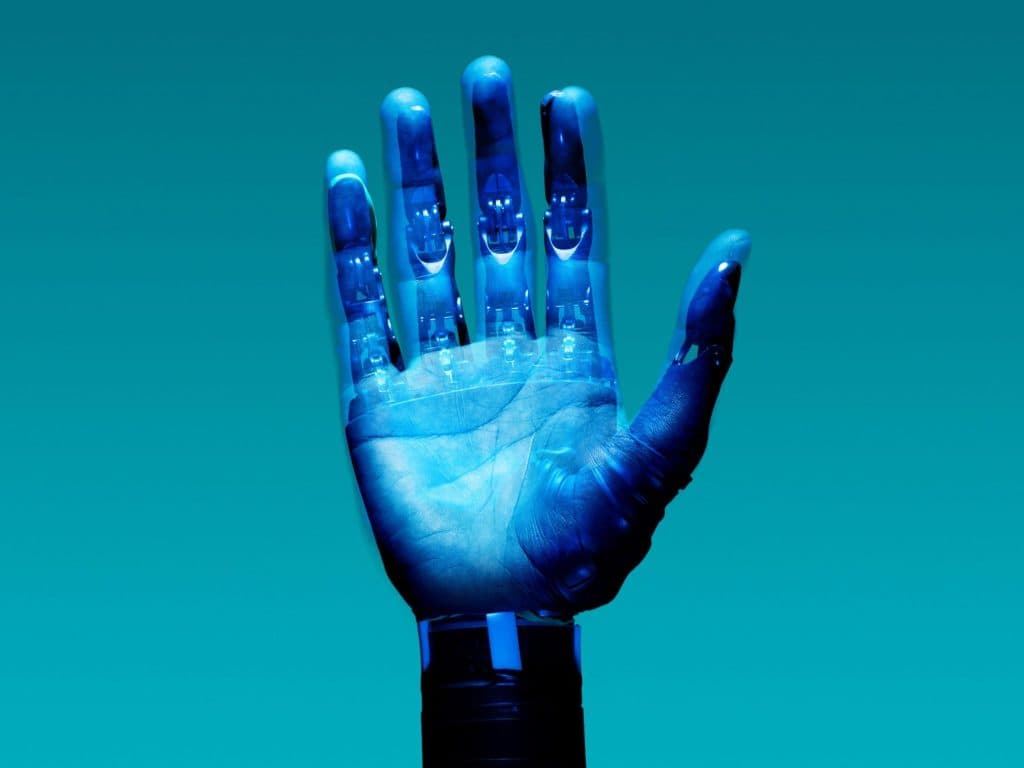
CIOs want to fix IT problems faster without expanding headcount, and many see AI adoption as the solution for their operations.

Producing digital advertising at global scale has become less about one standout campaign and more about volume, speed, and consistency. For consumer brands operating across dozens of markets, the challenge is not creativity alone, but how to keep content flowing without repeating expensive production cycles.

Creativity no longer requires mastering musical instruments or vocals thanks to AI-powered tools like Musicfy and Kits AI. These platforms make music creation accessible by helping you generate songs with realistic vocals, even if you’re new to music production.

In a cement plant operated by Conch Group, an agentic AI system built on Huawei infrastructure now predicts the strength of clinker with over 90% accuracy and autonomously adjusts calcination parameters to cut coal consumption by 1%—decisions that previously required human expertise accumulated over decades

In a cement plant operated by Conch Group, an agentic AI system built on Huawei infrastructure now predicts the strength of clinker with over 90% accuracy and autonomously adjusts calcination parameters to cut coal consumption by 1%—decisions that previously required human expertise accumulated over decades

AI spending in Asia Pacific continues to rise, yet many companies still struggle to get value from their AI projects. Much of this comes down to the infrastructure that supports AI, as most systems are not built to run inference at the speed or scale real applications need. Industry studies show many projects miss their ROI goals even after heavy investment in GenAI tools because of the issue.

Enterprise AI deployment faces a fundamental tension: organisations need sophisticated language models but baulk at the infrastructure costs and energy consumption of frontier systems.

The convergence of mobile and desktop operating systems is a goal that has remained elusive for big tech firms since the early days of the smartphone. Microsoft’s attempt in the form of Windows Mobile was reaching the end of its road by 2010, and despite Apple’s iOS/iPadOS and macOS moving very slowly towards one another for the last few years, Cupertino has not yet reached the fabled goal of the-one-OS-to-rule-them-all.

For a company built on intellectual property, scale creates a familiar tension. Disney needs to produce and distribute content across many formats and audiences, while keeping tight control over rights, safety, and brand consistency. Generative AI promises speed and flexibility, but unmanaged use risks creating legal, creative, and operational drag.

For a company built on intellectual property, scale creates a familiar tension. Disney needs to produce and distribute content across many formats and audiences, while keeping tight control over rights, safety, and brand consistency. Generative AI promises speed and flexibility, but unmanaged use risks creating legal, creative, and operational drag.

Mining conglomerate BHP describes AI as the way it’s turning operational data into better day-to-day decisions. A blog post from the company highlights the analysis of data from sensors and monitoring systems to spot patterns and flag issues for plant machinery, giving choices to decision-makers that can improve efficiency and safety – plus reduce environmental impact.

The potential Tesla-Intel chip partnership could deliver AI chips at just 10% of Nvidia’s cost – a claim that represents a significant development in AI infrastructure that enterprise technology leaders cannot afford to ignore.

When Visa unveiled its Intelligent Commerce platform for Asia Pacific on November 12, it wasn’t just launching another payment feature—it was building AI commerce infrastructure to solve a crisis most merchants haven’t noticed yet: their websites are being flooded by AI agents, and there’s no reliable way to tell which ones are legitimate shoppers and which are malicious bots.
The content available on this website (including text, graphics, images, and information) is intended for general informational purposes only. Materials, details, terms of use, and descriptions presented on these pages may be changed without prior notice.